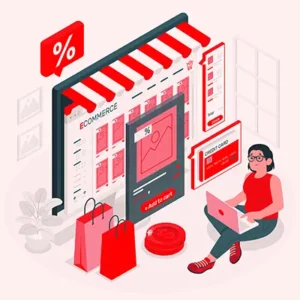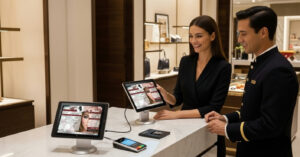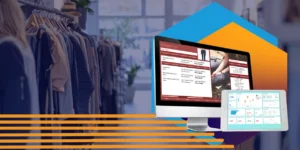
For many entrepeneurs who have developed a successful online business, opening a physical store is a big step. This new phase of the business can be daunting, but with the right planning, it can not only strengthen your brand but also open up new sales opportunities and connections with customers.
Learn below about the key points to consider when opening your first physical store and how Cosin Consulting can help you at every stage of this process.
1 . Why Open a Physical Store?
Before embarking on the adventure of opening a physical store, it’s essential to understand the reasons that have led you to make this decision. Although your online business may be doing well, a physical store can offer additional benefits:
Direct connection with the customer
A physical space allows for an immersive experience where you can interact directly with your customers, get their feedback, and build deeper relationships.
Brand strengthening
The physical store is and extension of your brand. By designing a space that reflects your business values, you can strengthen your brand identify.
Additional sales opportunities
The physical store complements the online channel, allowing customers to see, touch, and try products. Additionally, impulse purchases are more likely in a physical environment, which can increase your revenue.
Before diving into opening a physical store, you should conduct a thorough feasibility analysis. This includes studying associated costs (rent, personnel, inventory) and identifying local demand. It’s important to understand whether your current customer base will migrate to the physical environment or if you need to attract a new audience.
2. Choosing the Right Location
Choosing a strategic location is essential to ensure the success of your physical store. When choosing where the locate your future business, it is important to consider.
Store accessibility. The location should be easy to reach by public transportation, car, or by walking organically in the city.
Establishment visibility. Opt for a location with high foot or vehicle traffic.
Study the commercial environment. Analyze nearby businesses and evaluate whether they complement or compete with your product offering. Being close to businesses that attract similar customers can be an advantage.
3. Create an Omnichannel Experience for Your Customers
Today’s consumers seek a seamless experience between online and offline channels. Make sure your physical store is fully connected to your eCommerce (online store), allowing your customers to enjoy all the benefits of omnichannel.
Click & Collect has been gaining momentum among consumers, as well as increasing traffic in physical stores and impulse purchases. With this option, customers can buy online and pick up in-store.
Have you heard about the Infinite Aisle? With infinite aisle, you have full visibility of stock, so if a product is not available in the store, it will be possible to order it to be delivered at home. This is possible by having all your locations’ stock connected to Retail Pro Prism.
In-store returns. Simplifies the returns process by allowing products purchased online to be returned to the physical store.
4. Implement advanced technology: Point of Sale (POS)
A point-of-sale (POS) system is essential to the efficient operation of any brick-and-mortar business. It allows you to manage sales, inventory and staff, as well as generate detailed reports on business performance. An advanced POS should offer:
- Real-time inventory control.
- Automatic application of promotions and discounts.
- Sales analysis by product and by employee.
5. Technology in the physical store
The implementation of advanced technologies is critical for a physical store to be competitive and provide an exceptional shopping experience. Today, technology not only improves the internal operations of the store, but also transforms the way customers interact with products and the brand. Consider these technologies for your physical store:
Radio Frequency Identification (RFID) Technology
Video Analytics, People Counting and Heat Mapping
Mobile Point of Sale (mPOS)
Make your store phygital
Contactless Payments and Integrated Payment Systems
Integration with loyalty platforms, gift cards, and CRM
6. Personalize the Shopping Experience
As mentioned earlier in this article, one of the key benefits of a physical store is the ability to provide a personalized shopping experience. By knowing your customers and their preferences, you can offer tailored products and specific promotions, increasing customer satisfaction and loyalty.
7. Promotion and opening
The opening of your store must be accompanied by an effective promotional strategy. Organize an opening event, use social media and digital marketing tools to attract your current customers and new consumers, and make sure you maintain a constant promotion to generate traffic to the store.