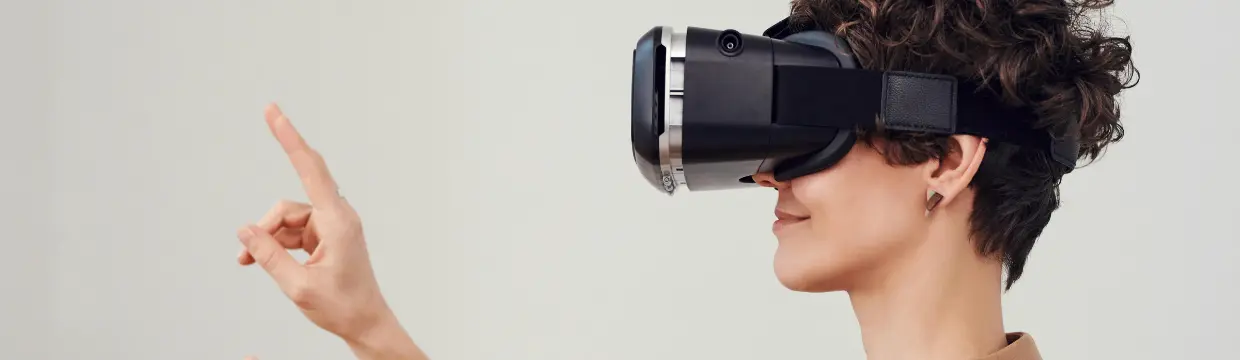
Augmented reality, once associated with wearing large, uncomfortable glasses and feeling disoriented and dizzy, has finally come of age. By teaming up with social media, brands have successfully implemented AR to allow prospective customer to virtually “try before they buy”.
Augmented Reality goes social
Snapchat may have been the first platform to implement this type of technology, but Facebook, Instagram, Pinterest and TikTok have quickly followed suit with their own lenses and filters. And retailers from Target to Gucci have realized its value not only for entertainment and brand awareness, but also for selling products.
Technology received a big boost as a cause of retail closures in 2020 as a result of the Covid pandemic.
Stuck at home and bored, would-be shoppers wiled away the hours with AR filters and lenses available on social media. Advertisers soon took notice of how filters and lenses could be used for virtual try-on and other experiences.
Seeing how that pair of Gucci sneakers is as easy as pointing a cell phone camera at your feet. And experimenting with makeup is much less messy using Sephora’s Snapchat lens.

Developments in AR
While the technology has improved greatly recently, there are still some limitations.
For example, while a customer can visualize just how stylin’ those kicks will be, AR can’t size the shoes. That’s unfortunate, because returns are a huge sore spot for retailers, particularly those selling apparel. The issue is that today’s cameras depth perception can’t accurately determine size.
Once AR technology improves enough to reliably size clothing, demand will likely skyrocket; currently, Snapchat says it has 200M daily AR (augmented reality) daily users. That could translate into millions in revenue.

Social shopping to drive in-store traffic
Well-established brands such as Sephora have the best of both virtual and physical commerce. Using Snapchat, customers can take and share pictures of themselves trying on new makeup styles.
Social shopping lets the customer’s friends weigh in on the buying decision, and the product can be purchased directly through the app.
But the experience online helps to drive in-store traffic as well. Creating a fun, memorable AR experience on a social network helps customers remember the brand, which can prompt them to visit it in-person.
Those companies become “top of mind” for particular types of products. In addition, social shopping apps can promote store events and are effective for location-based marketing as well.
Snapchat’s “ephemeral” nature helps create a sense of urgency and builds a sense of exclusivity. Today’s Generation X shoppers in particular crave exclusivity and limited-time offerings.
AR can attract the “right” buyers by providing an engaging customer experience on social media platforms. That interactivity can benefit a brick-and-mortar channel as well, by bringing attention to the brand as an innovator willing to meet customers’ needs in person as well as virtually.